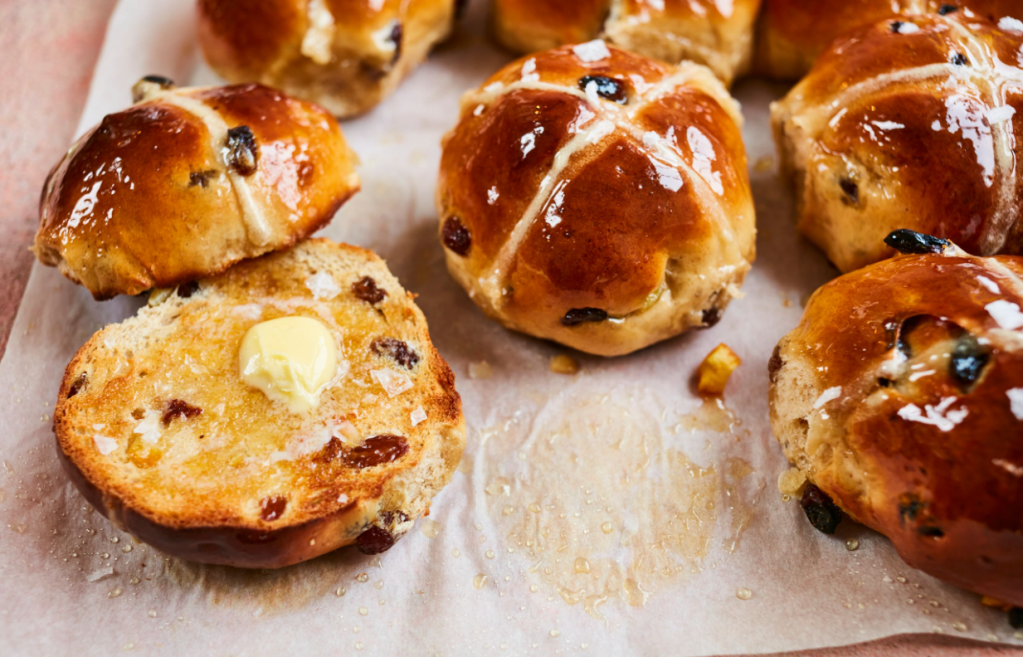
Welcome, class, to today’s fascinating lesson! Our subject? None other than the humble, yet utterly captivating, hot cross bun. You know, those delightful, spiced pastries with the distinctive cross on top that seem to pop up everywhere around Easter? Well, prepare to have your minds (and taste buds!) enlightened, because these buns have a story far richer and older than you might imagine. Think of them as edible history books, each bite revealing a new chapter!
Chapter 1: The Pre-Christian Era – When Buns Met Goddesses!
Let’s rewind the clock, way, way back. Long before the Easter Bunny was even a twinkle in anyone’s eye, and centuries before Christianity took root across Europe, our ancestors were already baking special cross-marked breads. Who were these early bakers? The pagan Saxons, for one!
Imagine them, standing at the cusp of spring, eagerly awaiting the earth’s awakening after a long, cold winter. It was a time of immense significance, a period of rebirth and renewal. And what better way to celebrate this powerful shift than with food? They would bake these cross buns in honor of their goddess, Eostre. Sound familiar? Indeed! It’s highly probable that her name is the direct linguistic ancestor of our modern word, “Easter.” So, the very name of the holiday might just be a delicious nod to these ancient spring rituals!
Now, about that cross. What did it mean to the Saxons? It wasn’t just a pretty decoration, folks. For them, the cross was a multi-layered symbol:
- It represented the rebirth of the world after winter, a visual promise of green shoots and warmer days.
- It also marked the four quarters of the moon, a celestial guide for their agricultural cycles and daily lives.
- Furthermore, it symbolized the four seasons, the cyclical journey of the year.
- And finally, it embodied the grand concept of the wheel of life, the continuous cycle of birth, death, and renewal.
Pretty profound for a bun, wouldn’t you agree? These early buns were essentially edible prayers, offerings to a goddess, and celebrations of the natural world’s rhythms.
Chapter 2: The Christian Transformation – A Cross with New Meaning
As Christianity spread throughout Europe, it often adopted and adapted existing pagan customs and symbols, giving them new meaning. The cross-marked bun was a prime candidate for this transformation. The cross, of course, became a powerful symbol of the crucifixion of Jesus Christ, making these buns particularly significant during Lent and especially on Good Friday, the day commemorating Christ’s death.
By the 14th century, English monks were reportedly baking spiced buns with a cross on them, distributing them to the poor. This practice helped solidify their association with religious observance. So, what started as a celebration of natural cycles evolved into a symbol of profound spiritual significance. It’s a wonderful example of how cultural traditions can gracefully shift and gain new layers of meaning over time.
Chapter 3: Buns, Superstitions, and Royal Decrees!
Our hot cross buns weren’t just religious symbols; they also gathered a fair share of folklore and superstition over the centuries! Did you know that some believed buns baked on Good Friday would never go moldy? Others thought they could protect a house from fire, or even heal the sick! Sailors would sometimes take them on voyages, believing they would prevent shipwreck. While we might chuckle at these beliefs today, they highlight just how important and revered these buns were in daily life.
Their popularity grew so immense that at one point, Queen Elizabeth I, perhaps worried about their association with Catholicism or simply wanting to control their widespread consumption, actually tried to ban their sale except on specific holidays like Good Friday, Christmas, or at burials. Can you imagine a world where hot cross buns were illegal for most of the year? Thankfully for us, the public’s love for them was far too strong, and the ban proved largely ineffective. The people simply had to have their hot cross buns!
Chapter 4: The Modern Day Delight – A Timeless Treat!
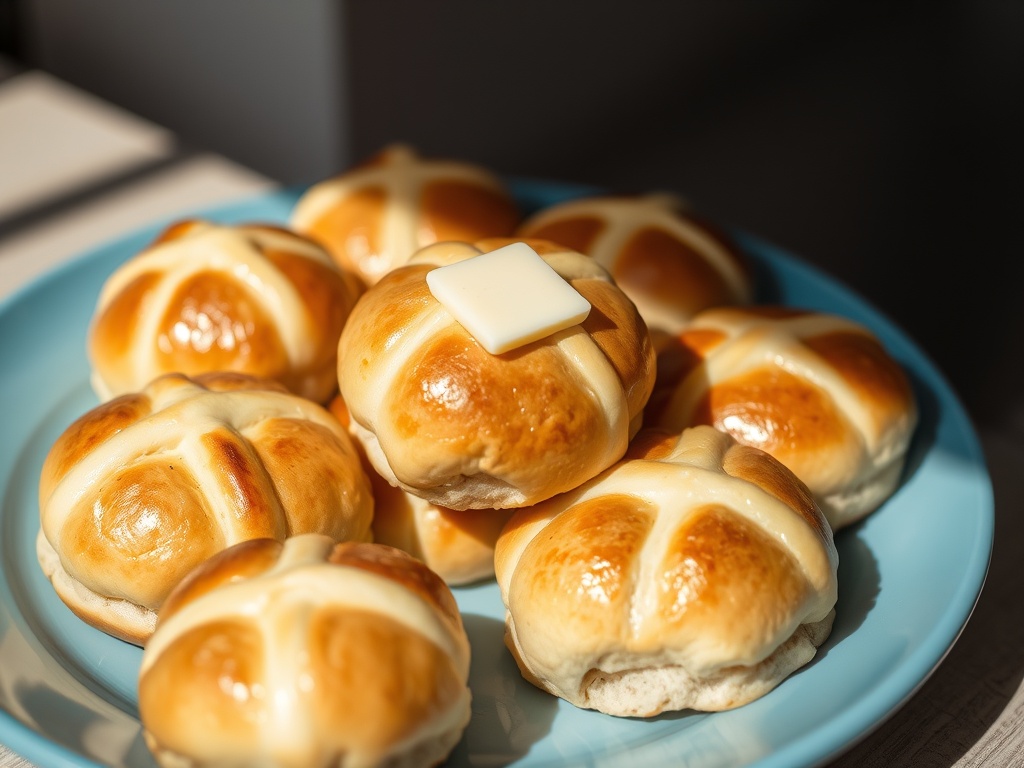
Fast forward to today, and the hot cross bun remains an undisputed star of the spring season. While their historical significance adds a wonderful layer of appreciation, let’s be honest: they’re also just incredibly delicious! The perfect blend of sweet dough, fragrant spices like cinnamon, nutmeg, and allspice, and often studded with juicy currants or candied peel, topped with that signature sweet glaze – it’s a symphony for the senses.
Whether you enjoy them warm with a generous spread of butter, toasted to perfection, or simply straight from the bag, these buns offer a comforting taste of tradition. They remind us of the enduring power of food to connect us to our past, celebrate the present, and look forward to new beginnings. So, the next time you bite into a hot cross bun, remember its incredible journey – from pagan altars to modern tea tables – and savor a little piece of edible history! Class dismissed!
 Green Willow Crafts and Cooking
Leave a comment